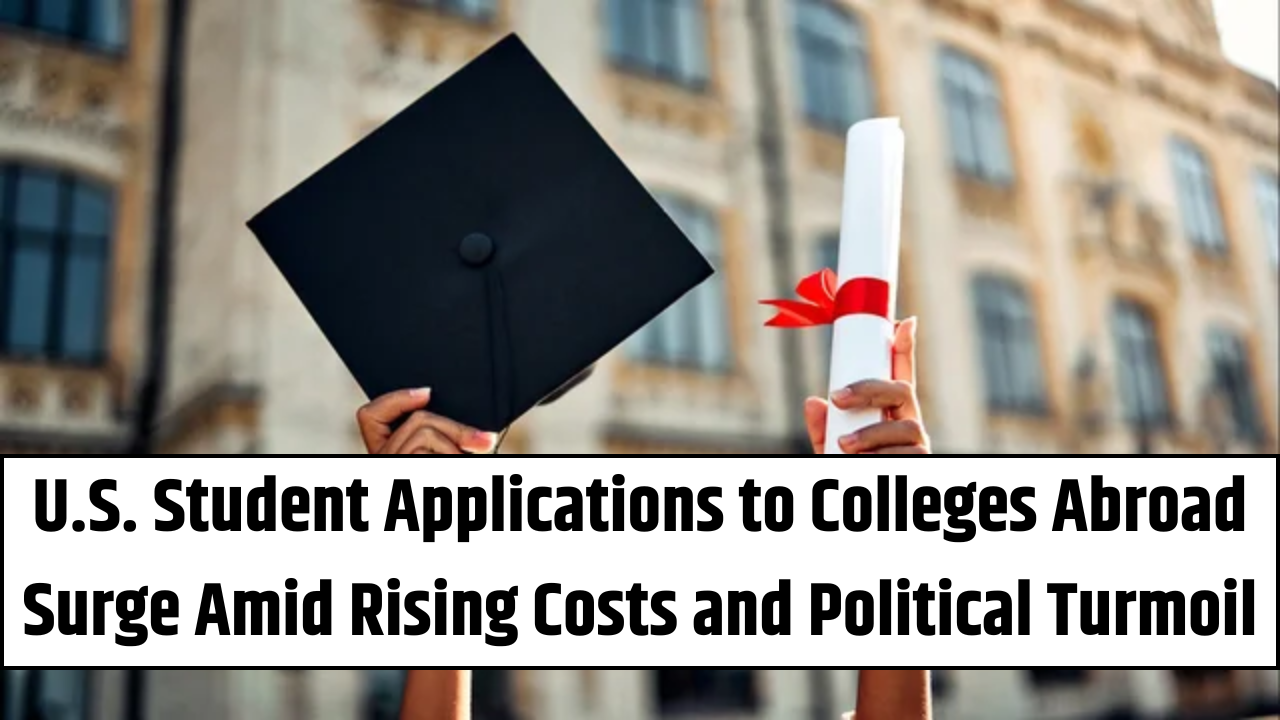
International student enrolments in the United States are dropping sharply this year, while countries including the United Kingdom, Australia, and several Asian education hubs report a surge in applications. Analysts say visa delays, tighter policies, and political uncertainty have damaged the global appeal of U.S. higher education.
According to new analysis by NAFSA, new international student enrolments in the U.S. could decline by as much as 30 to 40 percent this autumn. Researchers attribute the downturn to stricter visa screening, lengthy appointment backlogs, and policy signals that have created uncertainty for prospective students.

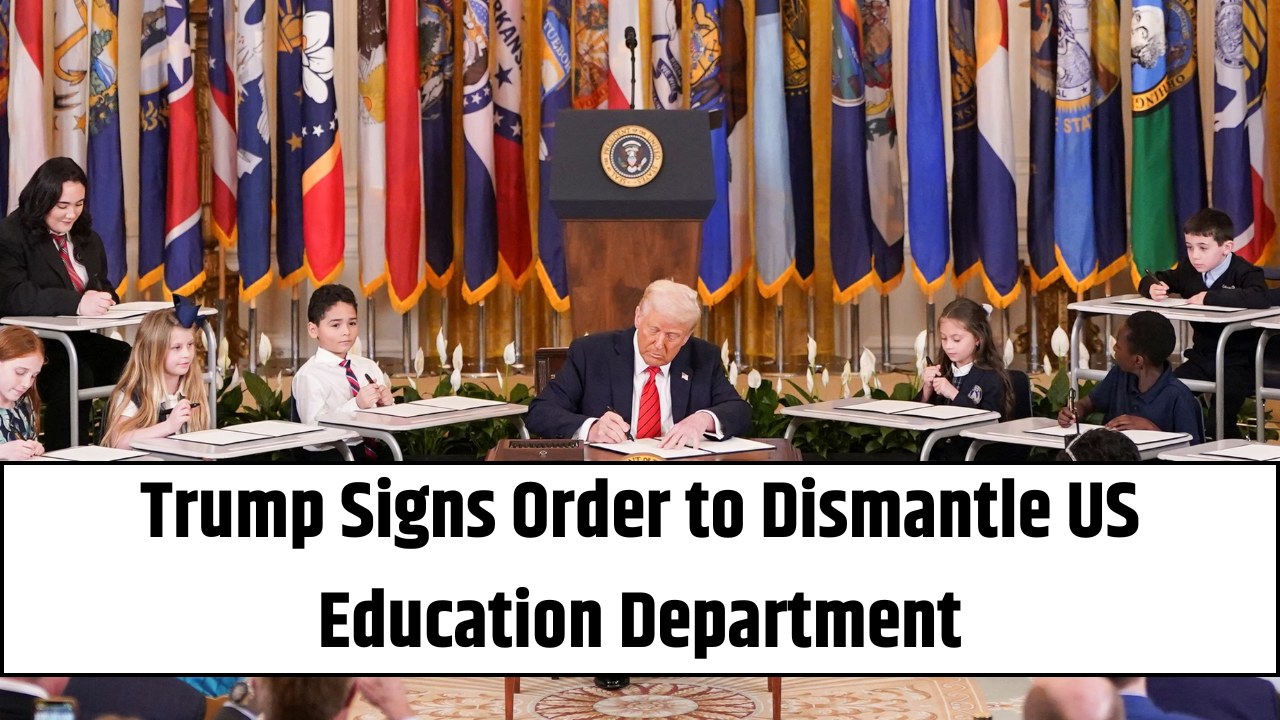
The decline is being linked in part to policy directions associated with former President Donald Trump, including increased scrutiny of student visas, pauses in visa appointments in some regions, and warnings about deportation tied to political activism.
“The American brand has taken a massive hit, and the UK is the one that is benefiting,” said Mike Henniger, CEO of Illume Student Advisory Services, in comments reported by the Associated Press.
Long waits and growing uncertainty
In major source countries such as China, visa appointment backlogs have become so severe that some students are abandoning plans to study in the U.S. altogether.
A Chinese student identified only as Alisa, who hopes to attend a semester at University of California, Berkeley, said she is exploring alternative destinations in case her U.S. plans fall through. “I want to make sure I can still go to school if the extreme scenario occurs,” she said.
As interest in the U.S. wanes, other destinations are absorbing displaced demand. The University of Hong Kong reported receiving more than 500 inquiries from students currently enrolled at U.S. institutions seeking to transfer, with around 200 applications under active review. At the Hong Kong University of Science and Technology, international undergraduate applications have risen by 40 percent this year.
UK and Australia benefit from the shift
The United Kingdom, now the world’s second-most popular destination for international students, is seeing clear gains despite the new Labour government’s efforts to curb migration and limit post-study work visas.

Official figures show undergraduate international applications rising by 2.2 percent this autumn, including a record 10 percent increase from China and a 14 percent jump from the United States. Graduate applications are up by around 10 percent, driven largely by demand for business and management programs.
Australia has also moved to capitalise on the shift, announcing plans to raise its international student intake cap to 295,000 in 2026.
Asia and satellite campuses gain momentum
Education hubs across Asia are increasingly attractive due to lower costs, clearer visa processes, and expanding work opportunities. Will Kwong of AAS Education said studying in Asia has been a growing trend since the easing of COVID-19 restrictions, a shift now accelerated by U.S. political changes.
Hong Kong’s chief executive, John Lee, has publicly stated that the city would welcome students denied entry to the U.S., and authorities have recently expanded part-time work rights for international students.
Elsewhere, countries such as the United Arab Emirates and Kazakhstan are gaining attention by hosting branch campuses of foreign universities. Dubai now hosts dozens of international institutions, with international student numbers rising by roughly a third during the 2024–25 academic year.
Lisa Johnson of Dubai’s American Academy for Girls noted that while elite U.S. universities still carry strong appeal, local options are becoming increasingly competitive. “Every student dreams of going to Harvard,” she said, “but as college choices expand in the UAE, more students are choosing to stay.”
U.S. institutions themselves are adapting. Illinois Institute of Technology and the University of Arizona have launched degree programs in Kazakhstan, targeting students from China and Russia who face barriers to studying in the U.S.
Daniel Palm, an adviser who helps American universities expand overseas, said institutions are now confronting a difficult reality. “U.S. colleges are suddenly asking how to maintain diversity and access,” he said, “because there are students who want to come to the United States—and simply can’t.”