As 2026 gets underway, several of the world’s largest economies are rolling out new immigration rules that reshape how people move for work, study, and family reunification. For Indian professionals considering overseas opportunities, recent policy updates—drawn from official government announcements—signal higher costs, tighter screening, and a sharper focus on highly skilled talent.
United States: Higher fees and a sharper H-1B focus
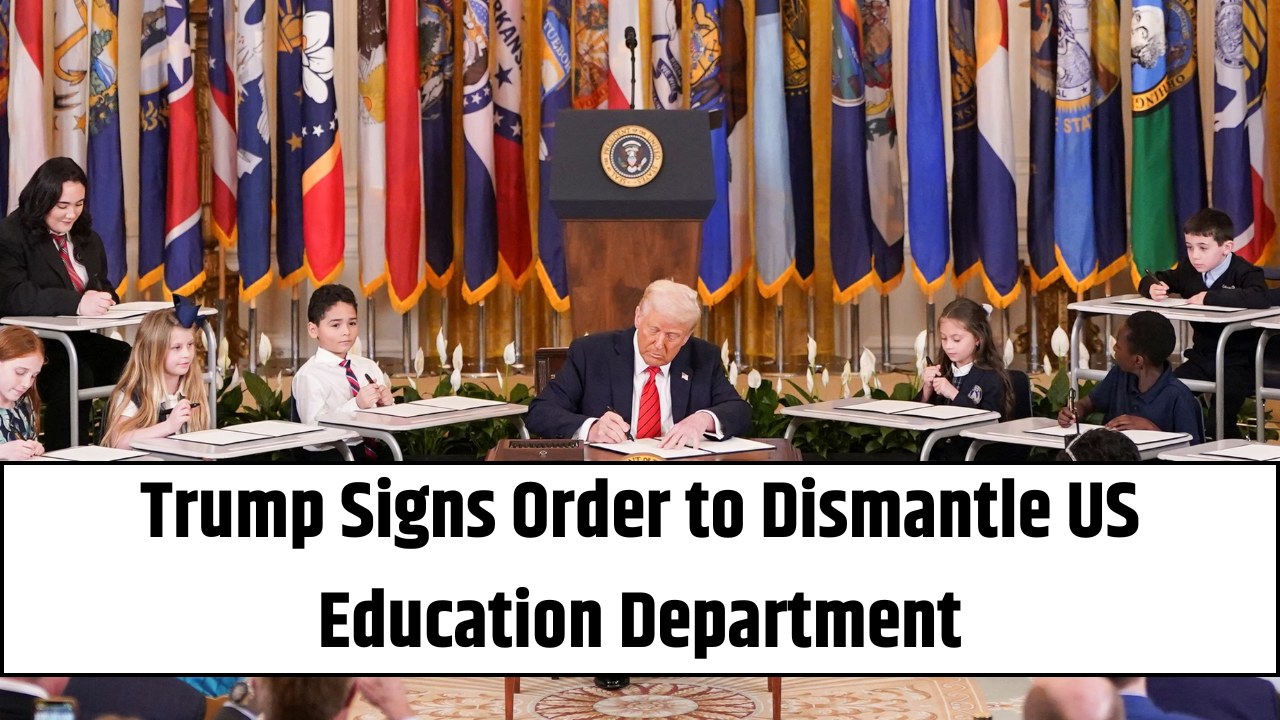
In the United States, updates from U.S. Citizenship and Immigration Services and the U.S. Department of State show modest fee increases across several immigration forms. Employment authorization applications (Form I-765) have edged up, as have filings related to Temporary Protected Status.

More significantly, the H-1B visa selection process for fiscal year 2027 is set to place greater weight on wage levels and specialized skills when registrations open in March 2026.
What it means: Employers seeking overseas talent may face higher administrative costs, while Indian professionals with advanced skills—especially in technology—stand to benefit from a system that rewards higher-value roles.
United Kingdom: Language standards rise
The UK’s Home Office has introduced stricter English-language requirements for Skilled Worker visas. From January 8, first-time applicants must meet a B2 proficiency level, up from the previous B1 standard. Changes have also streamlined how refusals or cancellations under the EU Settlement Scheme are handled, with defined fees and a limited response window.
What it means: Employers relying on non-EU workers may encounter slower hiring timelines, while candidates in customer-facing or service industries could feel the impact of tougher language benchmarks.
Shifts across other destinations

Several other countries are also adjusting their immigration frameworks:
- Canada: The Immigration, Refugees and Citizenship Canada has paused the Parents and Grandparents Program indefinitely and placed caps on study permit allocations.
- Singapore: Authorities including the Immigration & Checkpoints Authority and Ministry of Manpower are offering new incentives under a Shortage Occupation List for tech and engineering roles, while also stepping up enforcement against overstays from late January.
- Ireland: According to government guidance, the national minimum wage has increased to €14.15 per hour, a change that can influence employment permit thresholds.
- New Zealand: Immigration New Zealand now requires police certificates for more temporary visas and has adjusted leave rules for seasonal workers.
- European Union: Systems managed by eu-LISA and the European Commission will introduce the Entry/Exit System in January, with ETIAS travel authorizations for visa-free visitors expected later in 2026.
- France: The Interior Ministry has made civic exams and language testing mandatory for naturalization, while maintaining restrictions on work permits in certain high-demand sectors.
- Gulf countries: The UAE and Saudi Arabia have not announced major changes, continuing with existing visa frameworks.
What this signals for Indian professionals
Taken together, these updates suggest a global trend toward tighter controls paired with selective openness to in-demand skills. While rising fees, language requirements, and paused programs may complicate migration plans, opportunities remain strong in areas such as technology, healthcare, and specialized trades.
For Indian professionals, destinations like Singapore—and selectively Canada—may appear more attractive in the near term, while the U.S. and UK increasingly favor candidates with advanced qualifications and higher earning potential. Planning ahead and aligning skills with destination-country priorities will be key in navigating the evolving immigration landscape of 2026.