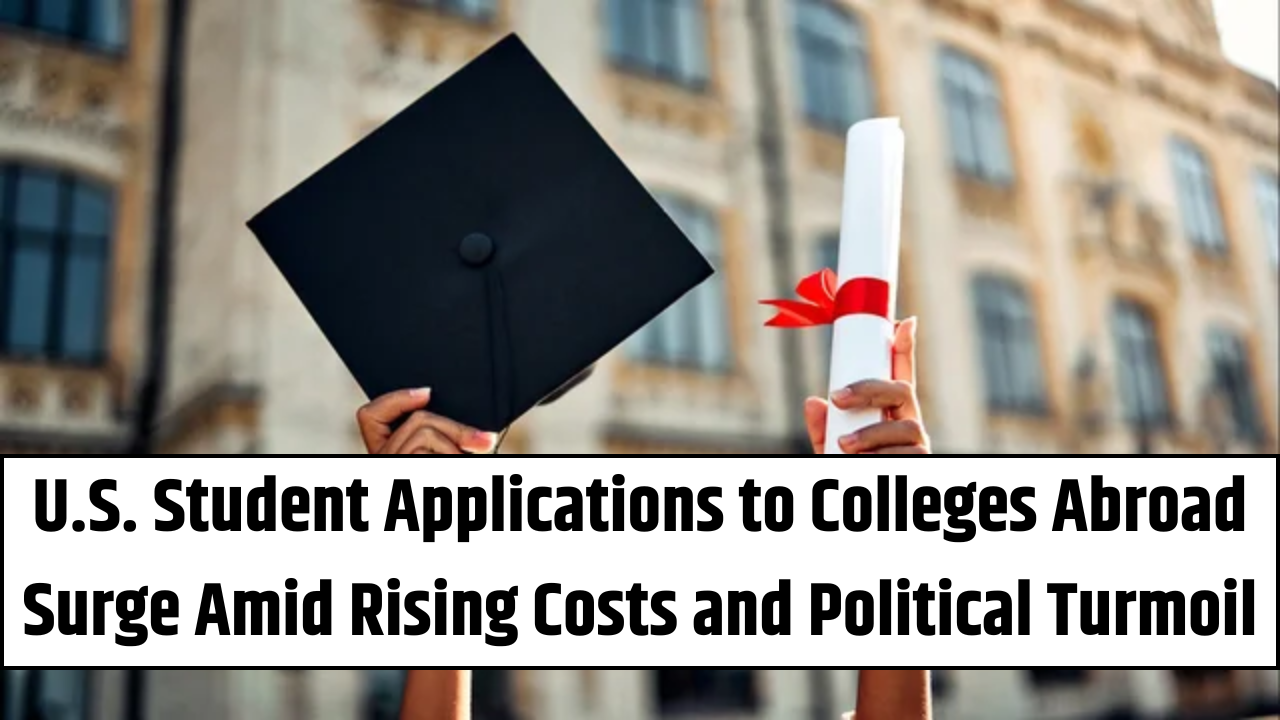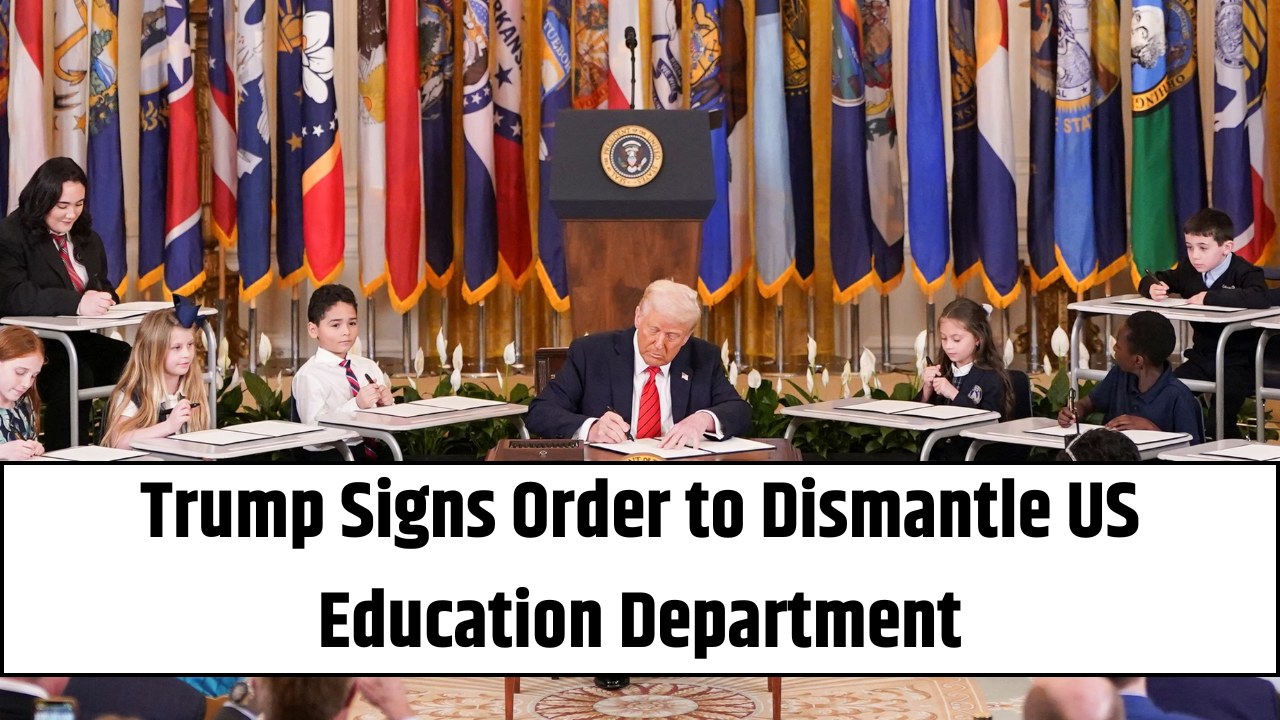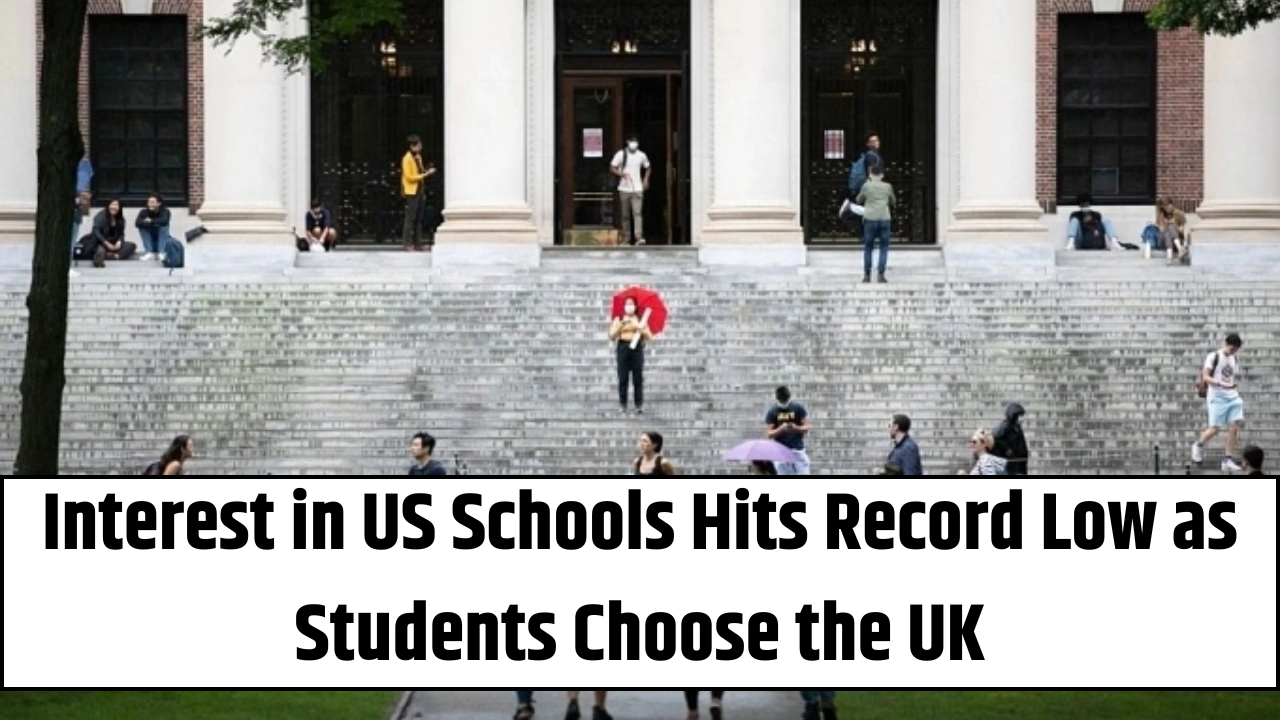
Interest in studying in the United States has fallen to its lowest point since the height of the COVID-19 pandemic, while the United Kingdom is increasingly emerging as the top alternative—particularly for postgraduate education.
New data from Studyportals shows that pageviews for U.S. degree programs have dropped to levels last seen in August 2020. Between Jan. 5 and April 30, weekly interest in U.S. programs declined by 50%, with the country losing roughly 30% of its global market share. Compared with its peak in 2023, U.S. demand has now been nearly cut in half.

Studyportals warns that if the current trajectory continues, demand for U.S. higher education could decline by more than 70% year over year in 2025.
By tracking real-time user behavior, Studyportals is able to see how prospective students compare destinations. When users click on a U.S. bachelor’s or master’s program, they often review similar programs in other countries within the same browsing session—offering a direct window into international competition.
Also Read – U.S. Student Applications to U.K. Universities Hit Record High
The United Kingdom has become the United States’ strongest competitor. Nearly 9% of students who view U.S. programs also explore U.K. options during the same session, up from 8.5% the year before. That shift represents millions of students actively weighing American universities against British institutions.
David Hawkins, founder of the education consultancy The University Guys, said the trend reflects growing uncertainty among applicants with multiple options.
“It’s those people who have options who are looking at the U.S. with quite big question marks right now,” Hawkins told NPR, describing undecided students as “floating voters.”
“They could go to the U.S., but if they get into a Canadian university they see as better, they might go there. If they get into Oxford or Cambridge, they would probably go there,” he added.
Sam Cox, client services director at London-based A-List Education, said interest in elite U.S. institutions remains strong, but families are increasingly focused on backup plans.
“I still think there is a real, strong appeal—particularly to an Ivy League education,” Cox told NPR. “But a lot of recent conversations are centered on, ‘What’s a plan B?’”
Studyportals CEO Edwin van Rest warned that declining international enrollment carries consequences beyond tuition revenue.
“Every student who decides against America isn’t just lost tuition money—it’s lost talent,” van Rest said, as quoted by ICEF Monitor. “The person who could have started the next big company or made a major discovery may end up in London instead of Boston. This is a wake-up call, not a closed chapter.”
International students contributed an estimated $44 billion to the U.S. economy during the 2023–2024 academic year. According to NAFSA, the 1.1 million international students enrolled last year supported more than 378,000 U.S. jobs.
Also Read – University of Kentucky Under Federal Title VI Civil Rights Investigation
“International students and their families seek predictability and security when choosing which country to trust with their future,” said NAFSA CEO Fanta Aw. “Recent U.S. government actions have shaken that confidence. Policy decisions have consequences, and this early trend data should serve as an urgent call to act.”
Concerns intensified this week after Donald Trump issued a proclamation halting visas for newly admitted international students planning to attend Harvard University this fall—a move that was quickly blocked by a federal judge. While the order targeted Harvard specifically, it followed a broader pattern of immigration restrictions affecting international students nationwide.
Last month, the White House announced a new travel ban and additional entry limits on nationals from 19 countries, effective June 9. Around the same time, the U.S. State Department paused the scheduling of new visa interviews for foreign students.
Together, these developments are contributing to growing uncertainty about the United States as a destination for higher education—at a moment when competing countries, particularly the U.K., are actively attracting global talent.